
Scott County Inmate Roster – 4-14-20


GOVENORS ORDER
IC 35-48-4-8.3(A)MA ~ POSSESSION OF PARAPHERNALIA

GOVENORS’ ORDER
IC 35-48-4-6(B)FL6 ~ POSSESSION OF COCAINE OR SCHEDULE I OR II NARCOTIC DRUG – AT LEAST 5 LT 10 GR
IC 35-44.1-3-1(A)MA ~ RESISTING LAW ENFORCEMENT

IC 9-26-1-8 MA ~ LEAVING THE SCENE OF AN ACCIDENT

IC 35-48-4-11(A)MB ~ POSSESSION MARIJUANA/HASH OIL/HASHISH OR SALVIA
IC 35-48-4-7(A)MA ~ POSSESSION SCHEDULE I, II, III, OR IV CONTROLLED SUBSTANCE
IC 35-48-4-1.1(C)FL4 ~ DEALING IN METHAMPHETAMINE – AT LEAST ONE GRAM LT FIVE GRAMS
IC 35-48-4-1.1(A)FL5 ~ DEALING IN METHAMPHETAMINE

IC 35-48-4-6.1(A)FL6 ~ POSSESSION OF METHAMPHETAMINE
IC 35-48-4-1.1(D)FL3 ~ DEALING IN METHAMPHETAMINE – AT LEAST FIVE GRAMS LT TEN GRAMS
Harrison County Inmate Roster – 4-14-20
April 13
McConnell, Dana
- VOP-Battery by bodily waste fluid or waste is infected
- VOP-Battery resulting in bodily injury
New spring wild turkey harvest website available

Indiana DNR has launched a new interactive website that allows hunters of the wild turkey to access spring turkey harvest data as it is accumulated by the state.
Data is supplied by the CheckIN Game harvest reporting system. During the check-in process, hunters report the county of harvest and type of equipment used to harvest a turkey. Harvest data is updated daily during the spring turkey season.
This data can now be accessed and viewed at wildlife.IN.gov/10340.htm, where visitors can also compare information regarding an individual or multiple counties across the past five years.
Hunters have asked for more detailed harvest data and comparisons between years, and the creation of this new website is a direct result of that feedback to DNR.
A fall turkey harvest website will be available at a later date.
Jackson County Inmate Roster – 4-14-20
| Inmates booked into the Jail within the last 24 hours. | |||||||||||||||
 |
|
||||||||||||||
|
|
|||||||||||||||
| Inmates released from the Jail within the last 24 hours. | |||||||||||||||
 |
|
||||||||||||||
Gov. Holcomb Announces Indiana Businesses Working to Support COVID-19 Response

State secures 2.6M PPE items to be made by Hoosier manufacturers, donated by businesses for front-line medical workers
Governor Eric J. Holcomb today announced Indiana businesses across the state are answering the call to support the global novel coronavirus (COVID-19) response effort.
The state’s manufacturers are leveraging their resources, supply chains and Hoosier workers to produce personal protection equipment (PPE) for health care providers, while business and community leaders have stepped up to source and donate additional materials.
The Indiana Economic Development Corporation (IEDC), which has been working with business leaders across the state to help meet increased demand for PPE, has secured commitments for more than 2.6 million pieces of PPE.
Of these, more than 1.9 million items are being made by 15 Indiana manufacturers across a diverse range of specialties, from automotive to RVs to caskets and consumer products, while more than 440,000 are being donated by Hoosier businesses and organizations, including Acclaim Graphics, Fiat Chrysler Automobiles, the Indianapolis Colts, Subaru of Indiana Automotive, Toyota and Westfield Outdoors.
“It’s incredible to see Indiana companies shifting gears to help those who need it most right now, our health care providers on the frontline,” Gov. Holcomb said. “We couldn’t be more grateful for these companies stepping up and contributing in every way they can. They are true examples of how great the Hoosier spirit is.”
The purchased and donated products are being delivered to the Indiana State Department of Health (ISDH) for distribution to Indiana’s hospitals, first responders, long-term care facilities and health care providers treating COVID-19 patients. To date, the state has received and distributed more than 375,000 items of PPE and expects to receive more than 150,000 items this week with deliveries daily.
Indiana businesses that have shifted production to help deliver these critical supplies include:
- The Acid Products-Prairie Packaging Company (LaPorte County), an independent chemical distributor specializing in the packaging and distribution of chemicals and blends, is now helping meet demand for hand sanitizer and hard surface cleaners. The company’s Kingsbury facility is providing hand sanitizer to the state and also donated supplies to first responders in LaPorte County.
- Berry Global Group Inc. (Vanderburgh County), a global, Evansville-based Fortune 500 company, is accelerating production of plastic face shields and aims to soon reach production of 150,000 per week. The company will provide 30,000 face shields to the state, helping provide an added protection for first responders and medical personnel. Berry Global is also leveraging the support of Evansville-based suppliers for foam materials and elastic cutting.
- Fatheadz Eyewear (Marion County), founded in Indianapolis in 2004, creates and offers eyewear specifically tailored to customers with heads too large to fit in standard width sunglasses comfortably. The company has now shifted its operations to produce fluid protective goggles, safety glasses and shields and plans to fulfill an order of several thousand items to the state yet this week.
- Fleece Performance Engineering (Hendricks County), established in 2008, is a manufacturer of automotive products headquartered in Pittsboro. The company, which makes products such as turbochargers, fuel system components and repair parts, has redeployed its engineers and a portion of its flexible manufacturing space to develop, test, document and begin producing lightweight disposable full face shields. The company now has the capacity to produce up to 250,000 per week.
- GDC Inc. (Elkhart County), a certified Woman Business Enterprise, is a total solutions provider of products and components to a range of industries, supplying 20 million parts annually to companies like Ford, Toyota, GM and Trane. The Goshen-based company plans to start manufacturing disposable full face shields in April and expects to provide 500,000 pieces to the state.
- Hentz Manufacturing (Allen County) has been in the business of textile design and manufacturing since 1994, providing scalable solutions for brands like Disc-O-Bed, Vera Bradley, Harris and Cinda B. The company’s Fort Wayne facility has started production of isolation gowns, face masks and face shields and has already filled initial orders for the state. Hentz, which is now in its fourth week of PPE production, has already produced 46,600 PPE items as of last Friday, April 10. The company is ramping up its team to meet demand, hiring 25 new Hoosiers already with more job openings on the way.
- Jordan Manufacturing Company Inc. (Newton & White Counties), a Monticello-based family owned and operated business, produces outdoor patio textiles, such as cushions, umbrellas, furniture, curtains, beverage buddies, bean bags and indoor cushions. The company has shifted production at its Indiana facilities in Monticello and Kentland to make isolation gowns to support healthcare providers, producing 11,500 for the state.
- Mastercraft (LaGrange County), the world’s largest maker of RV furniture, has been serving manufacturers and direct consumers since 1971. The LaGrange-based company is now using its expertise to manufacture non-medical isolation gowns, producing thousands each week.
- Mursix Corporation (Delaware County), which specializes in stamping and component manufacturing, serves a wide range of customers whose applications range from hospital beds to automotive safety to hybrid electric vehicles. The Yorktown company is now manufacturing up to 500,000 face shields each week.
- Royer Corporation (Jefferson County), a leading manufacturer of custom injection molded food service equipment, custom swizzle sticks, beverage stirrers, picks and a variety of branded promotional products, is utilizing its resources to create face shields for medical workers. The Madison-based, family-owned company plans to produce 75,000 weekly pieces, sending 20,000 to support the state’s efforts so far. Royer has partnered with Clifty Engineering, also based in Madison, to fabricate and build an additional die cutting machine, which will double its output of face shields.
- SuperATV (Jefferson County), a provider of aftermarket All-Terrain Vehicles (ATV) and Utility Task Vehicles (UTV) parts and accessories, has shifted production to make lightweight full face shields, intubation shields and retail employee protective barriers, with plans to produce face shields for the state’s front-line workers.
- Tiedemann-Bevs Industries (TBI) (Wayne County), has been operating in Richmond since 1974. TBI, which manufactures interior casket components and distributes essential textiles to hundreds of casket manufacturers in the industry, is now producing 1,000 isolation gowns per week.
- Top Stitch (Elkhart County) is a family owned commercial sewing business that serves diverse industries, including RVs, equine supplies, interior design and hospitality. The company, one of Indiana’s more than 508,000 small businesses, has applied its textile experience to the healthcare industry and is now making medical gowns and surgical face masks, filling orders to the state as well as to customers in the Northeast U.S.
- Williams Distribution (Marion County), a minority-owned chemical distribution company in Indianapolis, helps manufacturers with supply chain simplification, product sourcing and on time delivery. The company is leveraging its expertise to support the increased need for PPE and is shipping nearly 48,000 items, including hand sanitizer, medical gowns and gloves, to the state.
- Worldcell Extrusions (Elkhart County), which has been manufacturing thermoplastic foams for the packaging industry since 2015, has adjusted production at its 90,000-square-foot facility in Elkhart to produce lightweight face shields for medical workers.
In total, the state has ordered more than: 1 million face masks, 763,000 face shields, 141,000 gloves, 68,000 gowns, 10,000 goggles, and 6,700 bottles of hand sanitizer. The IEDC, which expects these figures to grow, has been in conversation with more than 450 additional Hoosier companies that have pledged their assistance and are exploring ways to support PPE production and procurement as well as related services.
Additionally, the IEDC noted that the total number of PPE donations is likely much higher than 440,000 as Indiana businesses, charitable organizations and residents across the state have been donating items directly to hospitals and to shelters in their local communities.
To learn more about Hoosier companies across the state stepping up to help in the fight of COVID-19, click here. Hoosiers with smaller quantities of PPE are encouraged to donate items to the nearest local health department, hospital, EMS agency, nursing home or other first responder or public safety agency in their community.
Jackson County Inmate Roster – 4-13-20
| Inmates booked into the Jail within the last 24 hours. | |||||||||||||||
 |
|
||||||||||||||
|
|
|||||||||||||||
 |
|
||||||||||||||
|
|
|||||||||||||||
 |
|
||||||||||||||
|
|
|||||||||||||||
 |
|
||||||||||||||
|
|
|||||||||||||||
| Inmates released from the Jail within the last 24 hours. | |||||||||||||||
 |
|
||||||||||||||
|
|
|||||||||||||||
 |
|
||||||||||||||
|
|
|||||||||||||||
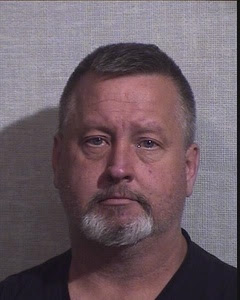 |
|
||||||||||||||
Scott County Inmate Roster – 4-13-20

IC 35-45-2-1(C)FL5 ~ INTIMIDATION – DEADLY WEAPON, JUDGE, BAILIFF, PROSECUTING ATTORNEY

IC 16-42-19-18(FL6) ~ UNLAWFUL POSSESSION OF SYRINGE
IC 35-48-4-6(B)FL6 ~ POSSESSION OF COCAINE OR SCHEDULE I OR II NARCOTIC DRUG – AT LEAST 5 LT 10 GR
Asphalt patching planned on S.R. 135 in Harrison County

MAC Construction is expected to begin asphalt patching next week on S.R. 135 in Harrison County as part of a district-wide pavement rehabilitation contract. Patching will take place over two weeks beginning on or after Monday, April 20, from just north of I-64 to S.R. 64 in New Salisbury.
Lane closures will be in place while work is in progress, with flaggers on-site to maintain traffic. Motorists should slow down, watch for stopped traffic, and drive distraction-free through all work zones.
Crews completed patching on S.R. 135 in Brown County and I-65 in Bartholomew County last year. Additional patching will be completed later this year on S.R. 62 in Clark County and various sections of I-65. All work is weather dependent.
